
Accident prevention in production is not about luck or “workers being careful.” In most cases, injuries happen due to a combination of organizational mistakes, unsafe conditions, and insufficient control. That’s why companies that work with risks systematically reduce incidents and downtime.
The Racio team explains why accidents occur, how to build a prevention system, which measures actually work in production, and how to validate effectiveness with simple KPIs. At the end — a practical checklist and a 30-day implementation plan.
Why accidents happen
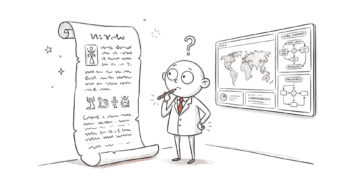
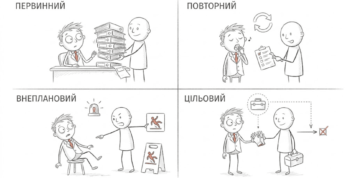
When an incident occurs, people often say it was caused by a “human” or “technical” factor. In practice, the cause is almost always комплексна — multifactor. That’s why accident prevention starts with understanding the real sources of risk.
Human factor
Human errors happen in any production environment. Fatigue, rushing, lack of experience, or the habit of working “your own way” can lead to unsafe actions. But experience shows: when the safety system is set up correctly, even a human mistake doesn’t necessarily end in injury.
Unsafe conditions and equipment
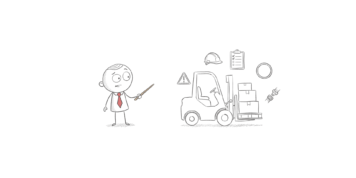
Faulty machinery, missing guards, slippery floors, poor lighting — all of these create conditions for injuries. In such cases, accident prevention means not only instructions, but also regular technical inspections and removing hazardous factors.
Organizational causes
Often the issue is not the equipment but the way processes are organized. Missing work permits, uncoordinated contractor actions, weak supervision — all of this creates risk. Without clear procedures, even experienced workers may act unsafely.
“Sign-and-go” training
Another common cause is formal briefings. Employees sign the logs but don’t know what to do in real situations. Effective accident prevention requires not only training delivery but also checking understanding.
Accident prevention is a system
One-time briefings or checks don’t create long-term results. Real accident prevention works as a continuous risk-management cycle:
- identify hazards;
- implement risk-reduction measures;
- verify effectiveness;
- repeat the cycle.
This approach is called risk-based. Its foundation is risk assessment, which helps you understand where the most hazardous processes are and which measures will deliver the greatest impact.
Key accident prevention measures in production
Risk assessment and hazard map
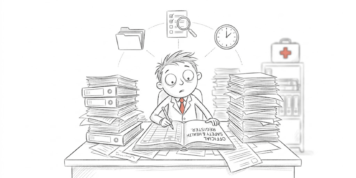
Any accident prevention program in production starts with analyzing hazardous factors. This work results in a risk map — a list of potential hazards with their risk level.
At this stage, the company’s risk assessment helps set priorities: what must be eliminated immediately and what can be planned for later.
Briefings and training
Training should prepare people for real situations, not just “close the logbook.” Employees must know how to safely start/stop equipment, what to do in case of jamming, where emergency stop buttons are, how to report a hazard, and whom to call. A good practice is short 15–20 minute modules plus a mini-check (questions or demonstrating actions on site). This directly strengthens accident prevention in production because it reduces mistakes under stress.
Personal protective equipment (PPE)
PPE is a basic element of any safety system. But effective accident prevention in production requires not only issuing PPE, but also controlling correct and consistent use. PPE works only when it is matched to the hazard and actually used.
Key steps:
- define the PPE needed for each operation (gloves, goggles, respirator, etc.);
- issue PPE with sign-off and train employees on correct use;
- organize replacement and condition checks.
Safe instructions and procedures
Production must have clear procedures for hazardous work. These may include Standard Operating Procedures (SOPs), work permits, or other regulated processes.
A good SOP answers three questions:
- what do we do?
- what risks do we have?
- how do we control them?
Clear procedures reduce “improvisation” and strengthen accident prevention.
Technical inspections and equipment reliability
Timely maintenance significantly reduces the risk of accidents. In many cases, accident prevention includes equipment lockout during repair (LOTO).
Prevention starts with technical discipline: scheduled inspections, maintenance logs, checks of guards, interlocks, emergency stops, cables, and grounding. When equipment is repaired, an energy isolation procedure is critical: switch off, lock out, tag, verify zero energy — and only then work. This reduces the risk of unexpected start-up or electric shock.
Workplace organization
A safe workplace is one without “small traps”: cluttered walkways, spilled liquids, cables underfoot, chaotic storage. Cleanliness, order, and clear walkway marking are simple but highly effective safety tools.
A practical approach is 5S:
- Sort. Separate what matters from what doesn’t. Ask: what is fact vs. assumption? What is relevant to solving the problem? What do I already know, and what still needs clarification?
- Set in Order. Organize data and facts into logical groups and follow, step by step, how separate observations turn into patterns and cause–effect links.
- Shine. Clean systematically; collect feedback regularly and check whether key conditions have changed for current solutions and problem identification.
- Standardize. Train others so problem-solving has a shared language, clear sequence, and quality control aligned with stakeholders.
- Sustain. Continuous improvement: collaborate across disciplines, learn and share how principles work in different but connected environments. Aim for progress and reinforce improvement.
Add simple rules: keep evacuation routes clear, mark hazardous areas, and control pallets and racking condition.
First aid and emergency readiness
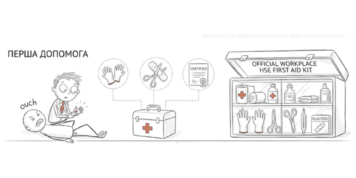
Even the best system cannot guarantee zero incidents. When an incident happens, the first minutes matter. You need to: appoint first-aid responsible persons per shift, train them in basic actions (bleeding, burns, fainting), and ensure first-aid kits with an up-to-date contents list and clear access. Separately, define the emergency call procedure (103/112), assembly points, who meets the ambulance, and who shuts down equipment. Short refresher drills every 6–12 months make actions automatic — and this is also part of accident prevention in production because it reduces the severity of consequences.
How to implement prevention in 30 days
Launching a safety system doesn’t take years. In most companies, basic improvements can be implemented within a month:
- audit the area and build a risk list;
- set priorities: critical, important, planned;
- implement key measures and train staff;
- organize regular walkthroughs and control;
- run a follow-up check and adjust measures.
This approach helps quickly launch accident prevention in production even in companies where safety used to be mostly formal.
KPIs that show prevention effectiveness
To understand whether the system works, use measurable indicators. They help evaluate how effective accident prevention in production is:
- number of near-miss reports;
- percentage of corrective actions completed;
- share of employees with up-to-date briefings;
- results of regular walkthroughs and internal audits.
An increase in near-miss reporting is usually a positive sign — it means employees are reporting hazards before they turn into injuries.
Common mistakes companies make
Even experienced companies can repeat systemic mistakes. That’s why accident prevention often starts with identifying them.
Most common mistakes:
- briefings are purely formal;
- there is no risk register and no action plan;
- PPE is issued, but use is not controlled;
- incidents and near-misses are not analyzed.
Without root-cause analysis, even minor incidents can repeat and eventually lead to serious consequences.
Accident prevention checklist
A basic checklist to assess how well accident prevention is organized in production:
- a risk register exists;
- regular employee training is conducted;
- up-to-date instructions exist for all types of work;
- PPE is used;
- equipment undergoes regular technical inspections;
- workplace walkthroughs are performed;
- near-misses and incidents are analyzed;
- a corrective action system exists;
- employees know emergency procedures;
- department managers control compliance with rules.
FAQ
How often should risk assessment be reviewed?
Typically once a year, or after changes in technology, equipment, or work organization.
What matters more — PPE or engineering controls?
Engineering controls have priority. PPE is an additional layer of protection.
How do you motivate staff to follow the rules?
The best combination is training, leadership example, and an easy system for reporting hazards.
Audit & accident prevention in production — Racio
If you need to assess real safety conditions at your facility, the Racio team can conduct an OHS audit, risk analysis, and support implementation of a prevention system. This approach helps quickly identify weak spots and build an effective system where accident prevention becomes part of daily operations.